EgR
Acheiving Insurance Brokerage Autonomy
Financial Services
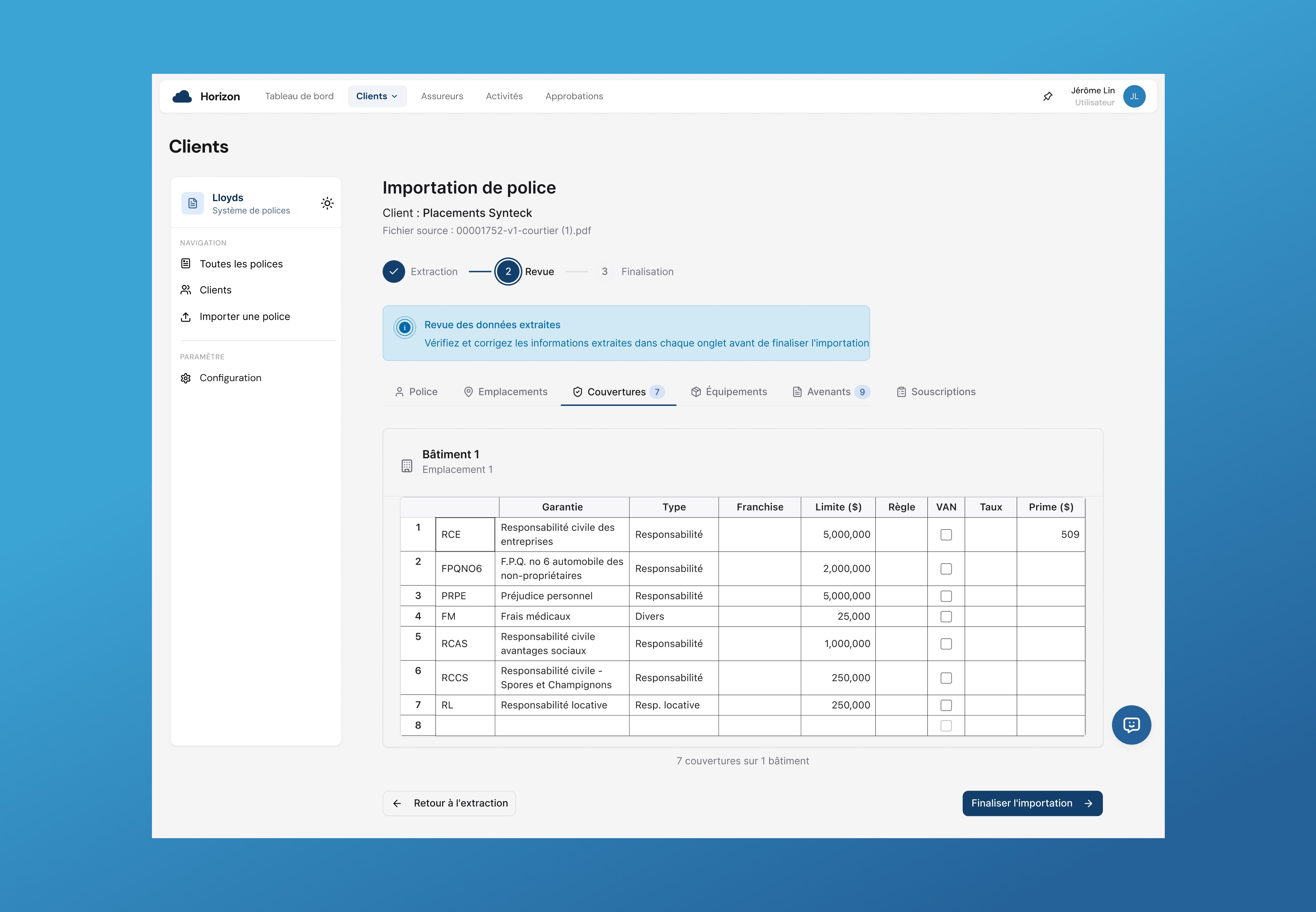
As EgR scaled, 35-40% of operational time was consumed by manual document processing, slowing execution and creating operational variance. In 30 days, EgR deployed its first AI-native workflow with RakerOne, fully integrated with Business Central and SharePoint.

-50%
Turnaround time reduction
85%
Process automation target
EgR is experiencing sustained growth across Quebec, operating through six offices and more than 250 highly specialized professionals, brokers, risk prevention experts, legal advisors, and claims specialists.
As volume and complexity increased, a structural challenge became unavoidable: growth was outpacing operational uniformity.
Despite strong expertise, 40% of operational time was still consumed by manual or semi-manual tasks — data entry, document generation, policy processing, reporting, and follow-ups — spread across fragmented systems. This created variability between offices, longer turnaround times, rising fixed costs, and limited scalability.
EgR needed more than automation. They needed a new operational backbone.
The Challenge
EgR faced three compounding constraints:
Operational drag: A significant share of expert time was absorbed by repetitive administrative work.
Inconsistent execution: Differences in tools and workflows introduced variability in service quality and increased operational risk.
Rigid legacy systems: Fragmented architectures limited agility while driving recurring costs.
The strategic question was clear: how could EgR scale volume and complexity without scaling headcount, while preserving excellence?
The Solution
Horizon, EgR’s AI Productivity Platform built on RakerOne.
EgR partnered with CloudRaker to deploy a managed, AI-powered operational platform combining RakerOne and Microsoft Dynamics 365 Business Central.
Rather than a one-off transformation, Horizon operates as a Operating Platform, continuously activating, optimizing, and governing AI-native workflows across the organization.
AI is embedded where it creates leverage:
Document-heavy automation
Workflow standardization across offices
Expert assistance, not replacement
Built-in governance, permissions, and auditability
Featured Capabilities
Operate — Orchestrates end-to-end insurance workflows across teams and offices, replacing manual coordination with structured, automated execution.
Policy creation and renewals
Task assignment, approvals, and follow-ups
Placement requests and underwriting coordination
Prevention visit requests and scheduling
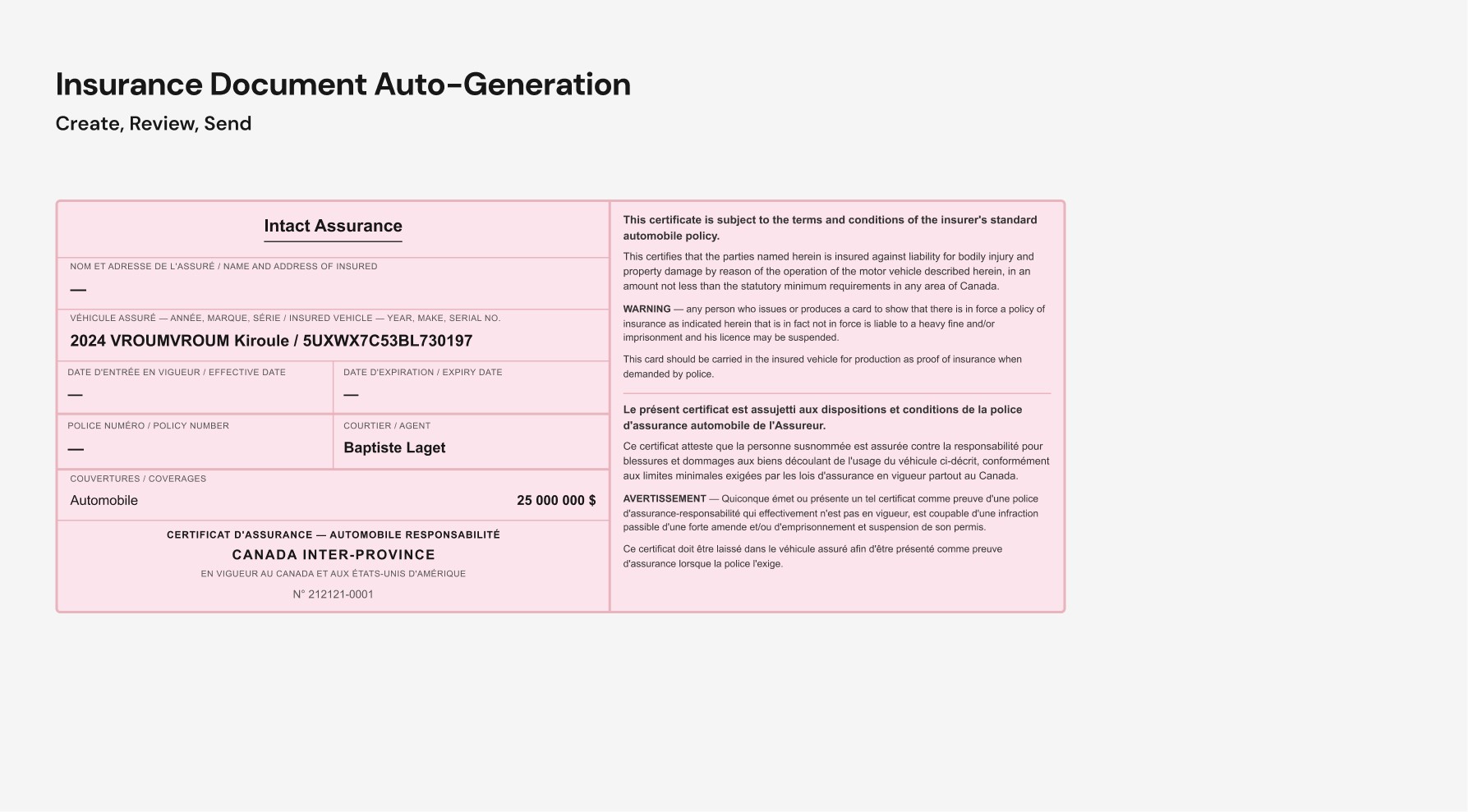
Transform — Converts unstructured inputs into production-ready outputs at scale.
Automated generation of policies, certificates, and coverage summaries
Intelligent extraction and annotation of insurer documents
Automated comparison of guarantees between proposals and policies
Centralized document libraries with templates and client records
Assist — AI assists EgR teams directly within their daily tools, reducing cognitive and administrative load without removing human control.
Dictation and transcription of expert notes
AI-assisted drafting of correspondence and summaries
Context-aware assistance grounded in client and policy data
Integrate — Connects seamlessly with EgR’s core systems to eliminate duplication and fragmentation.
Microsoft Dynamics 365 Business Central
Outlook, SharePoint, and Exchange
Insurer platforms and eDoc protocols
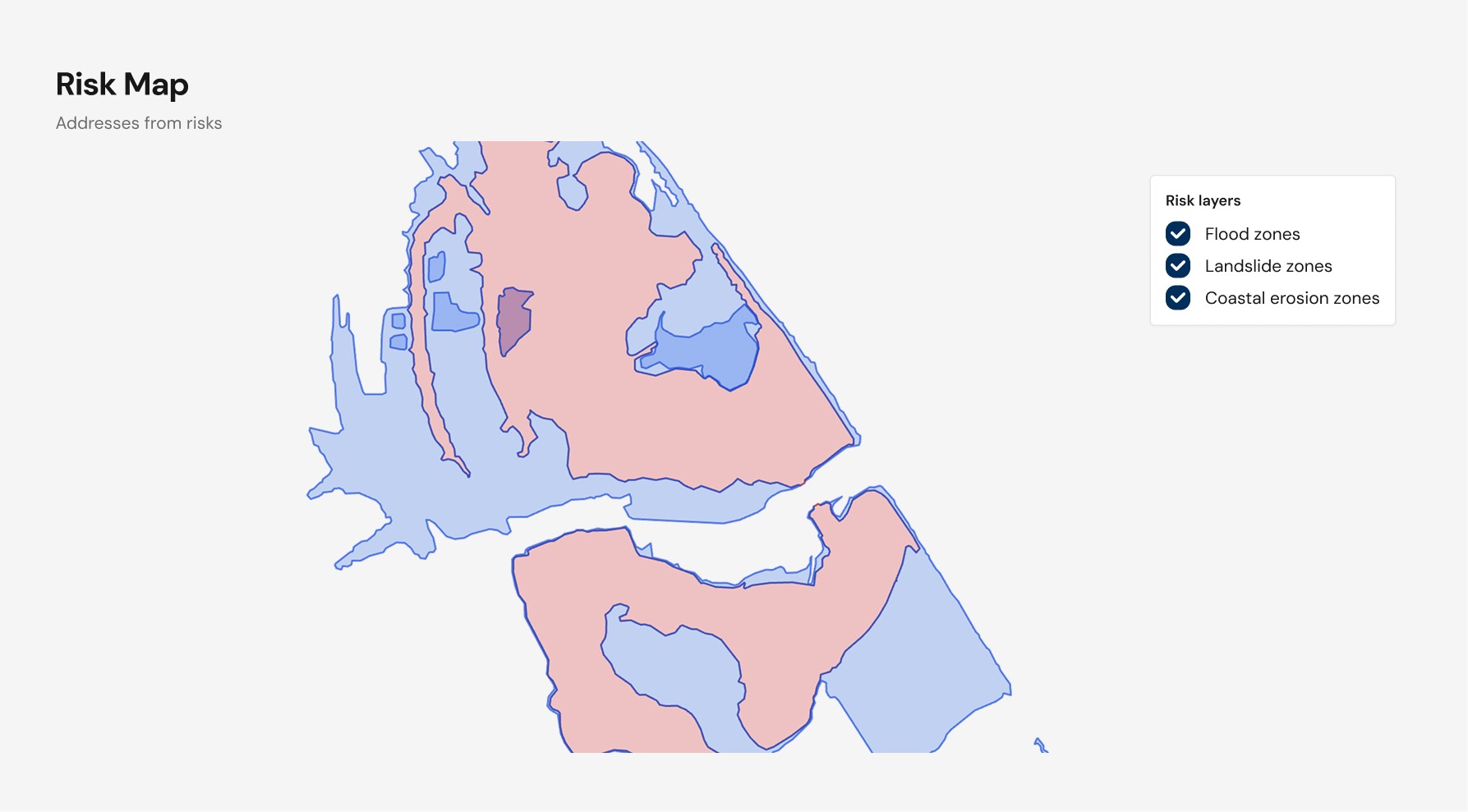
Risk Zone Assessment Map
Sign — Legally binding electronic signatures are embedded directly into workflows.
Certificates, policies, and authorizations signed without leaving the platform
Full audit trails and long-term validation
PIPEDA-compliant signature operations
Protect — Enforces security, compliance, and accountability at every step.
Role-based permissions by user and module
Full activity logs and audit trails
Secure data handling and AI guardrails
Centralized policy enforcement across offices
Optimize — Enables continuous optimization of autonomy and performance.
Fine-tuning AI models by task (extraction vs. reasoning)
Refining workflows and automation rules
Monitoring adoption, usage, and performance
Ongoing expert-led process optimization
Outcomes
50% reduction in turnaround times
4–8 hours saved per employee per week
Direct software and infrastructure savings
Projection is to reach 85% automation of critical processes within 18 months